

Introduction
Trees are among the most valuable natural resources on Earth. They clean the air we breathe, support wildlife, protect water sources, improve soil health, and help combat climate change.
Understanding how trees contribute to a healthier planet can help individuals and businesses make more informed environmental decisions.
Trees: Nature's Carbon Capture Technology
Every day, human activities release carbon dioxide (CO₂) into the atmosphere. Transportation, electricity consumption, manufacturing, food production, and waste generation all contribute to greenhouse gas emissions.
Trees naturally absorb carbon dioxide through photosynthesis. They use sunlight, water, and carbon dioxide to grow, storing carbon in their trunks, branches, leaves, and roots while releasing oxygen back into the atmosphere.
Tree Plantation Helps Fight Climate Change by:
- Removing carbon dioxide from the air
- Storing carbon for decades
- Reducing atmospheric greenhouse gases
- Supporting long-term climate resilience
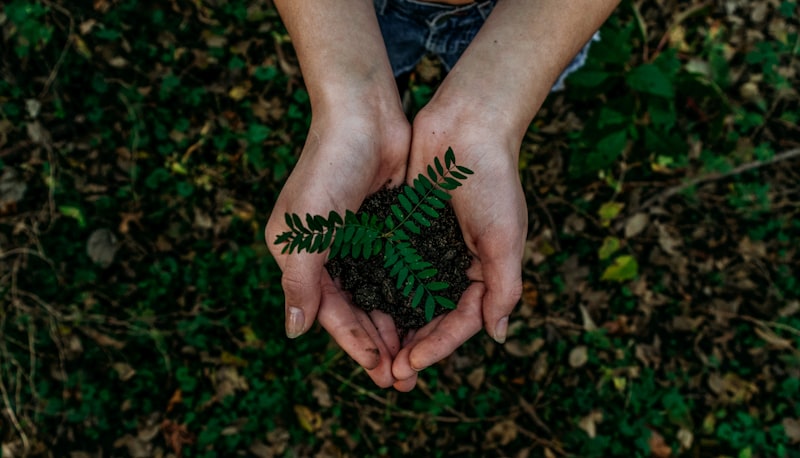
Benefits Beyond Carbon Offsetting
The compounding positive effects of tree plantation on the environment and society.
Cleaner Air
Trees absorb pollutants such as dust, smoke, and harmful gases while releasing oxygen. Urban tree cover helps improve air quality.
Lower Temperatures
Trees provide shade and cool surrounding areas through transpiration. In cities, tree cover reduces the urban heat island effect.
Water Conservation
Tree roots help rainwater infiltrate the soil, reducing runoff and supporting groundwater recharge.
Soil Protection
Without vegetation, soil easily erodes. Tree roots stabilize the ground and improve soil structure.
Biodiversity & Habitat
Trees provide food, shelter, and nesting spaces for wildlife. Healthy forests support balanced ecosystems.
Sustainable Agriculture
Trees planted around farms can reduce wind damage, improve soil fertility, and increase moisture retention.
Ecosystem Restoration
Tree plantation projects help restore degraded land and rehabilitate damaged ecosystems.
Community Benefits
Initiatives create local employment, support community development, and provide recreational green spaces.
Why Every Tree Matters
A single tree can:
When multiplied across communities, cities, and landscapes, these benefits create significant environmental impact.
How Many Trees Are Needed?
The number of trees required depends on several factors:
- Your carbon footprint
- Tree species
- Local climate conditions
- Growth rates
- Plantation management
This is why calculating your carbon footprint is an important first step. It helps estimate the environmental impact of your activities and identify opportunities to reduce and offset emissions.